
The Truth About Refrigerated Cargo
when I first started dealing with refrigerated cargo containers, I thought they were all the same.
A box with cooling, some insulation, and a compressor — how different could they really be?
But after years of handling perishable goods shipments, from frozen seafood to pharmaceuticals, I learned the hard way: not all refrigerated containers are created equal.
Some fail halfway through the trip. Some consume way too much power. And some just don’t maintain stable temperatures under real-world stress.
If you’re shipping anything temperature-sensitive — especially across long distances or through harsh climates — I get how stressful it can be.
You’re constantly checking temperature logs, worrying about customs delays, and praying the container doesn’t break down mid-route.
So in this article, I’m not going to drown you in specs. I’ll tell you what actually matters, what really works, and how to choose a refrigerated cargo container that won’t let you down when it counts.
Let’s Start With the Basics — What Is a Refrigerated Cargo Container?
A refrigerated cargo container, also called a reefer container, is essentially a temperature-controlled shipping unit designed to transport perishable goods — food, medicine, flowers, or even chemicals.
It keeps cargo within a specific temperature range (from -25°C to +25°C) using built-in refrigeration units powered by either an external supply (during sea transport) or onboard diesel generators (during land transport).
You’ll find them everywhere — ports, highways, logistics parks, and even remote mining camps.
But here’s the catch: the quality, efficiency, and durability of these containers vary dramatically depending on the manufacturer and configuration.
My Story: How a Bad Container Cost Us a Fortune
Back in 2018, we were exporting frozen seafood to Europe.
Our logistics provider used what they called a “standard reefer container.” It looked fine at first — clean, solid, new.
That’s when I decided to dig deep and personally test different brands, insulation systems, compressors, and power configurations.
After all that trial and error, I can now confidently tell you what separates a “good-enough” container from a reliable refrigerated cargo container you can actually depend on.
What I Learned After Testing Dozens of Containers
When I say I’ve tested them, I mean it — over 20 models across Asia, Europe, and the Middle East.
We measured power draw, temperature stability, defrost cycles, and insulation decay over time.
Here’s what I found:
1. Temperature Stability Is Everything
A reliable reefer container should maintain ±0.5°C accuracy, even during long shutdowns or power fluctuations.
The best models I’ve used have multi-point temperature sensors and automatic defrost systems that prevent internal frost buildup — which can otherwise ruin airflow.
2. Insulation Matters More Than You Think
Even the strongest compressor can’t compensate for poor insulation.
Look for containers with polyurethane foam insulation (PUF) of at least 75mm and stainless-steel interior linings to reduce heat transfer and resist corrosion.
3. Power Efficiency Saves You in the Long Run
Energy-efficient models with variable-speed compressors and EC fans can cut electricity use by 15–20%.
That may not sound like much, but when you’re running 50 units 24/7 — it’s a huge difference.
4. Smart Control Systems Are Game-Changers
Modern containers now come with digital temperature control, remote monitoring, and GPS-based condition tracking.
I can literally check the container’s live temperature and humidity from my phone. That kind of control used to be a luxury — now it’s essential.
Quick Comparison: Steel vs. Aluminum Reefer Containers
| Feature | Steel Shell | Aluminum Shell |
|---|---|---|
| Weight | Heavier | Lighter |
| Durability | Extremely strong | Good, slightly lower |
| Heat Transfer | Higher | Lower (better insulation) |
| Maintenance | More rust-prone | Easier to maintain |
| Ideal For | Marine transport | Air & land transport |
If you’re mainly shipping by sea, steel is your friend.
If you need multi-modal transport (sea + road + rail), go aluminum — it’s lighter, easier to handle, and consumes less energy.
Why I Recommend Investing in Premium Refrigerated Containers
Here’s the deal: a high-quality refrigerated cargo container is not cheap.
But it’s one of those things that pay for themselves through reliability.
I’ve used cheap ones — they break, they leak, they ruin cargo.
Then I switched to a high-grade model with a Carrier or Thermo King unit, and I never looked back.
In three years of continuous operation, we haven’t had a single temperature deviation beyond 0.5°C.
That’s peace of mind you just can’t put a price on.
How to Choose the Right Refrigerated Cargo Container
Here’s the checklist I wish someone gave me years ago:
1. Define Your Temperature Range
Do you need deep freezing (-25°C) or just cooling (+5°C)?
Match your compressor capacity to your product type — seafood, dairy, fruit, or pharmaceuticals each has different temperature needs.
2. Check Power Options
Make sure it supports both AC (for ships) and diesel gensets (for trucks).
Hybrid systems are best for long routes with uncertain power availability.
3. Prioritize Build Quality
Look for Corten steel or marine-grade aluminum, anti-corrosion coating, and high-density insulation.
Avoid units with visible weld gaps or weak door seals — that’s where you’ll lose cold air (and money).
4. Ask About Remote Monitoring
Modern models can integrate with IoT tracking, giving you live updates on temperature, humidity, and door status — even alerts for abnormal fluctuations.
5. Consider After-Sales Support
Don’t overlook this. A broken reefer in mid-journey can cost you a fortune.
Work with suppliers who have global service networks or partnerships in major ports.
The Pros and Cons (Let’s Be Honest)
| Pros | Cons |
|---|---|
| Excellent temperature control | Higher initial investment |
| Energy-efficient models save costs | Requires regular maintenance |
| Long lifespan (10–15 years) | Heavy and hard to move manually |
| Safe for food & pharma logistics | Spare parts can be costly |
| Remote monitoring options | Needs skilled operators |
Yes — they’re not perfect. But in my experience, the advantages far outweigh the cons, especially when you calculate the value of zero spoilage.
Real-World Applications: Where They Make a Difference
Refrigerated cargo containers are essential for:
- Seafood and meat exporters maintaining -18°C shipping standards
- Pharmaceutical companies transporting vaccines and medical supplies
- Flower exporters preserving freshness in tropical climates
- Beverage manufacturers needing cold chain distribution
- Frozen food suppliers ensuring consistent quality
We currently use ours for both sea export and domestic cold storage, switching modes with ease — something I couldn’t imagine five years ago.
My Personal Verdict: Don’t Cut Corners Here
If you’ve read this far, you’re probably serious about getting it right.
So here’s my honest advice, straight from experience:
👉 Don’t buy the cheapest refrigerated container you find.
Pay a little more for quality insulation, stable refrigeration, and reliable after-sales service — and it’ll pay you back a hundred times over.
I’ve seen shipments worth hundreds of thousands saved by just one dependable reefer container.
Once you’ve experienced the confidence of seeing that temperature log stay rock-solid through storms, delays, and customs checks…
you’ll understand why I’m so passionate about this piece of equipment.
Final Takeaway
A refrigerated cargo container isn’t just a metal box with cooling.
It’s the heartbeat of your cold chain, the one thing standing between safe delivery and total loss.
So, if you’re shipping perishable goods, go for the right container, from the right supplier.
Trust me — you’ll thank yourself later.
Quick Facts Recap
- Keyword: Refrigerated Cargo Container (Reefer Container)
- Temperature Range: -25°C to +25°C
- Best For: Perishable goods, pharmaceuticals, food logistics
- Core Advantages: Precise temperature control, energy efficiency, IoT monitoring
- Ideal Buyers: Exporters, logistics companies, food distributors, medical suppliers
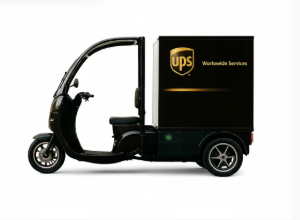
Deep-freeze cargo bike -25°C
Deep-Freeze Cargo Bike -25°C When I first saw a deep-freeze cargo bike rated for minus…
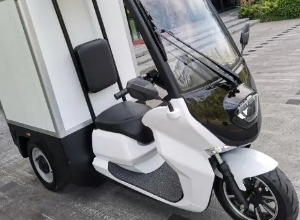
ODM refrigerated cargo trike
A Field-Tested Guide for Businesses That Need Consistent Cold-Chain Mobility When I first began looking…
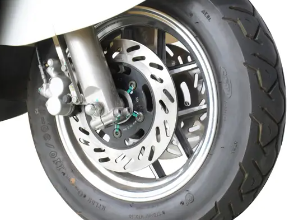
Cold chain tricycle manufacturer
Cold Chain Tricycle Manufacturer Review Based on Real-World Testing Many import buyers approach cold chain…
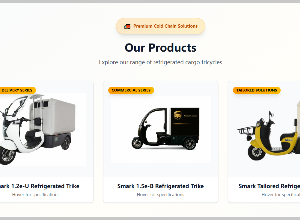
Cold chain cargo bike supplier
A Specialized Tool for a Modern Problem A cold chain cargo bike is a purpose-built…

Electric refrigerated trike
It began with a conversation I had with a local organic farmer, Maria. She was…
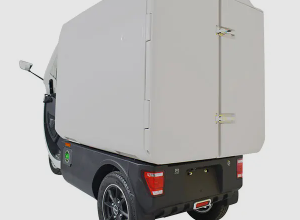
Refrigerated Cargo Tricycle Review
The Refrigerated Cargo Tricycle At its core, a refrigerated cargo tricycle is an electric-powered three-wheeled…